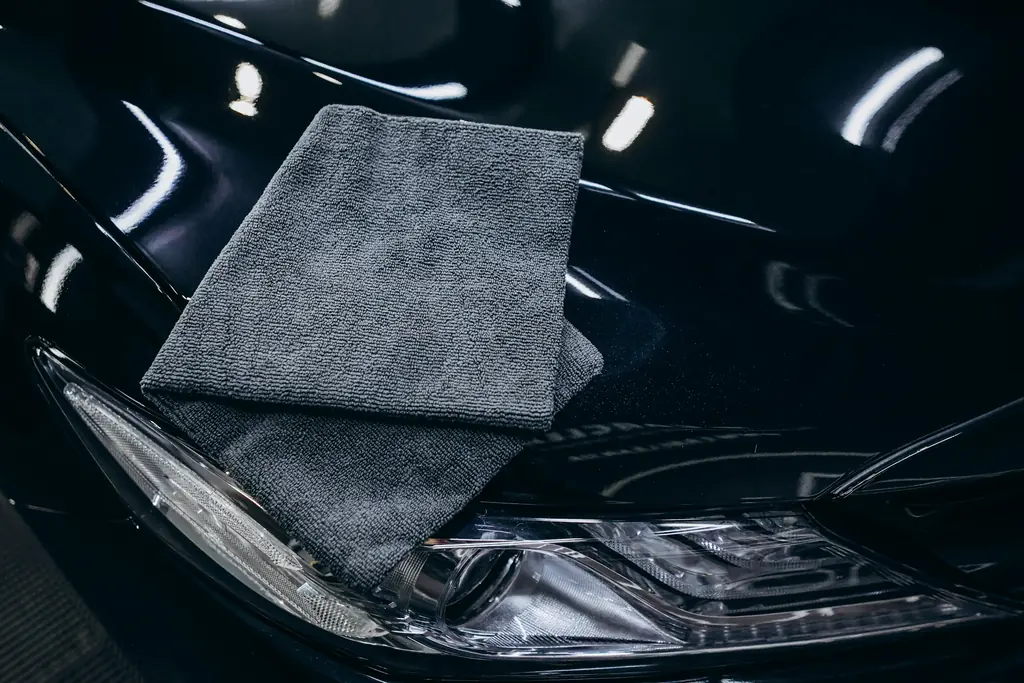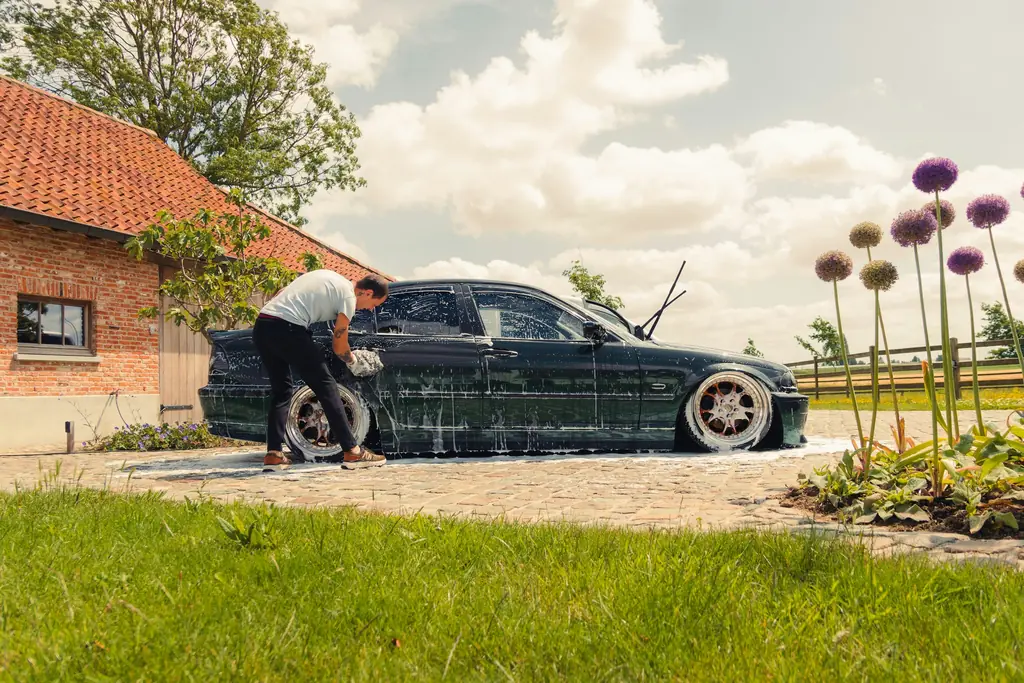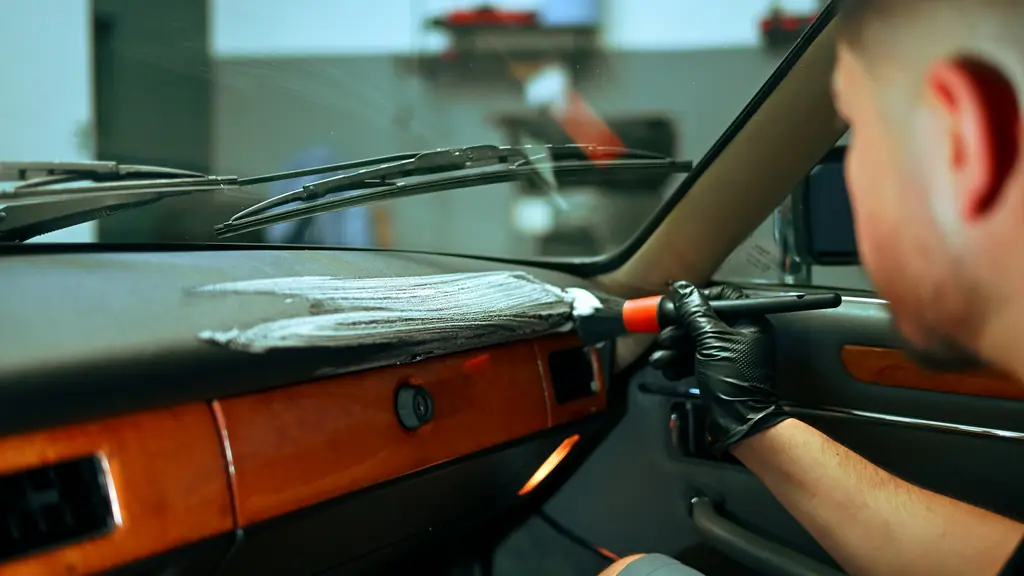
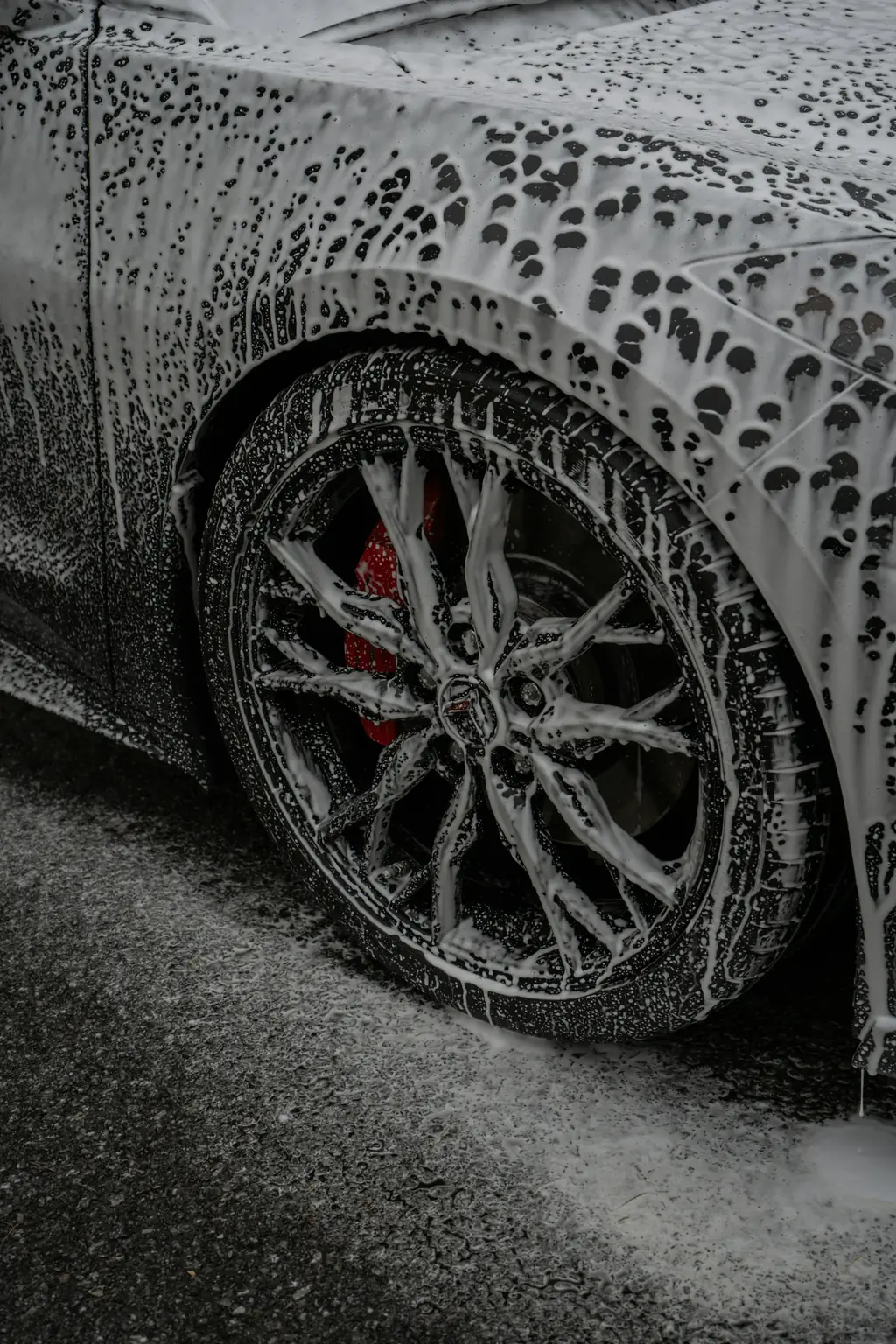
Long Island roads are treated with salt and liquid de-icers through the winter. They keep roads safer, and they are corrosive. A sensible winter routine costs far less than rust repairs.
Why it matters
AAA estimated that U.S. drivers paid about $3 billion a year to repair rust damage caused by road salt and de-icers, and that among drivers who needed such a repair, the average bill was about $490 per repair (AAA, 2017). AAA also warns that newer liquid de-icers stay wet longer and can seep into crevices, and that corrosion can affect brake lines, fuel tanks and exhaust systems — not just body panels.
AAA’s prevention advice is straightforward:
- Wash and clean the vehicle thoroughly before winter.
- Touch up chips and scratches where bare metal is exposed.
- Apply a protective coating (wax or sealant) to the finish.
- Frequently wash the entire vehicle, including the undercarriage, with a car-specific detergent — not dish soap.
- Give the undercarriage one last cleaning in spring.
A practical Long Island winter routine
Before the first storm (October–November)
- Full exterior detail with decontamination (clay and iron remover) so protection bonds to clean paint.
- Sealant or coating. A paint sealant advertised for several months is a cost-effective winter barrier. Several Long Island packages under $200 include one. A ceramic coating is longer-lasting but much more expensive.
- Interior protection. Rubber or all-weather mats catch slush and salt. Some detailers apply fabric protection.
- Fix bare metal. Touch up chips on the hood and lower doors.
During the season (December–March)
- Rinse after salt events when temperatures allow, focusing on wheels, wheel wells, lower panels and the undercarriage.
- Don’t dry-wipe salty paint. Salt film is abrasive. Rinse first.
- Vacuum salt from carpets before it dries into white tide marks; heavier staining usually needs extraction.
Spring (March–April)
- Undercarriage clean and a full detail to remove the season’s residue.
- Interior extraction to lift salt stains from carpets and mats.
Can a mobile detailer work in winter?
Some can, some reschedule. Ask about the temperature limits for washing and drying, whether they bring heated water, and how they handle runoff. Interiors are usually fine year-round. Coatings and correction need shelter and the right temperatures, which is one reason many owners schedule those for spring or book a shop. See mobile vs shop.
What to ask a detailer
- Does your winter package include undercarriage and wheel-well cleaning?
- What protection do you apply, and how long do you advertise it lasts?
- Do you remove salt stains from carpets, or just vacuum?
- Do you offer a maintenance plan through the winter? Several Long Island businesses publish monthly and bi-weekly plans.
Find businesses that list exterior detailing or interior detailing and filter by your ZIP.
This guide is general information, not mechanical advice. If you notice brake warning lights, a soft brake pedal or fuel smells, AAA advises getting the vehicle off the road and inspected by a qualified repair facility.
Sources
- AAA — Road De-icers and Rust Damage fact sheet (2017)
- AP News — AAA: Vehicle rust damage costs US drivers $3 billion a year
Provider prices are published starting prices read from each business's own website on the date shown. DetailLocator is not affiliated with any business mentioned. Spotted an error? Tell us.