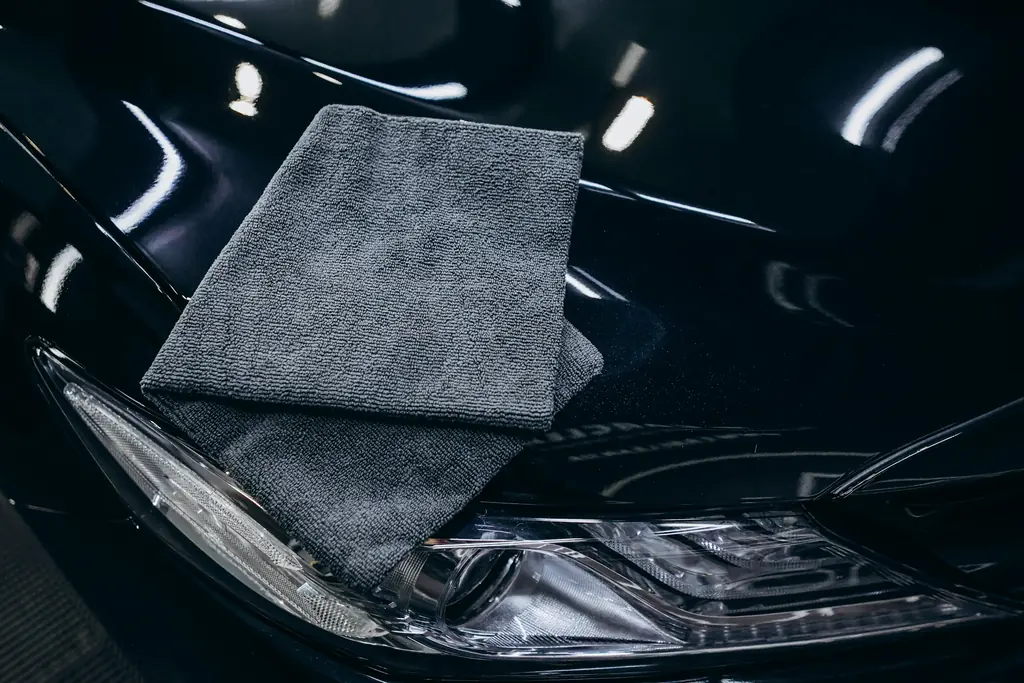
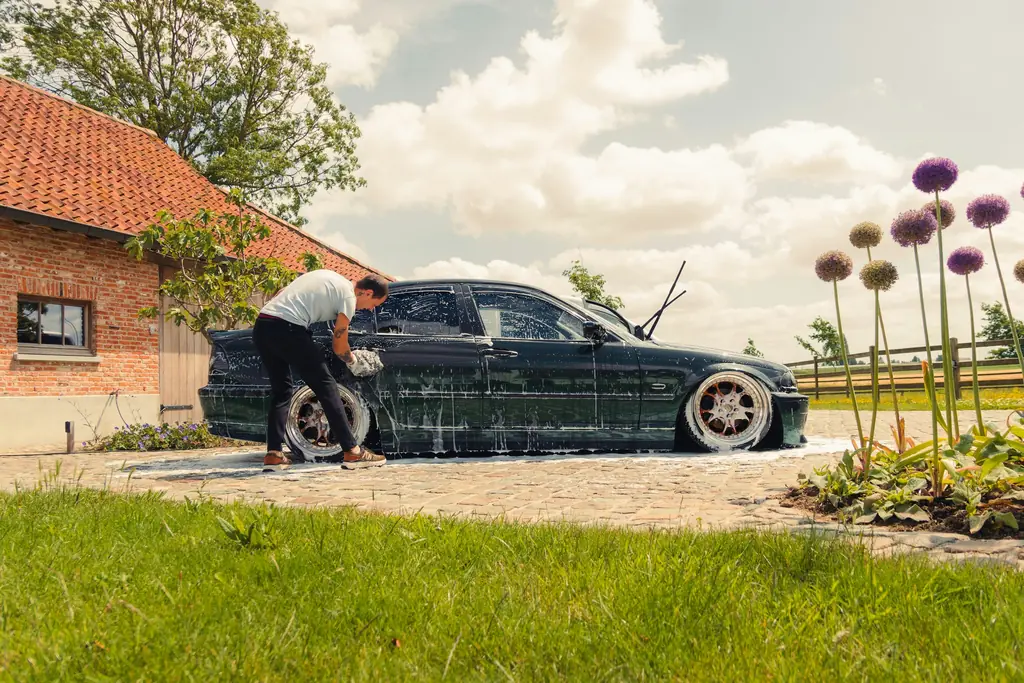
Most Long Island detailing businesses we list are mobile: of the 18 we track, 15 say they will come to your home or workplace, and several also operate a shop or studio. Choosing between them is less about quality and more about the job, your property and your schedule.
What mobile detailing does well
- Your time. No drop-off, no ride home, no waiting room. For a routine wash, interior clean or full detail this is the main reason people choose mobile.
- Regular maintenance. Most recurring plans we found are mobile: the same detailer returns every two weeks or every month.
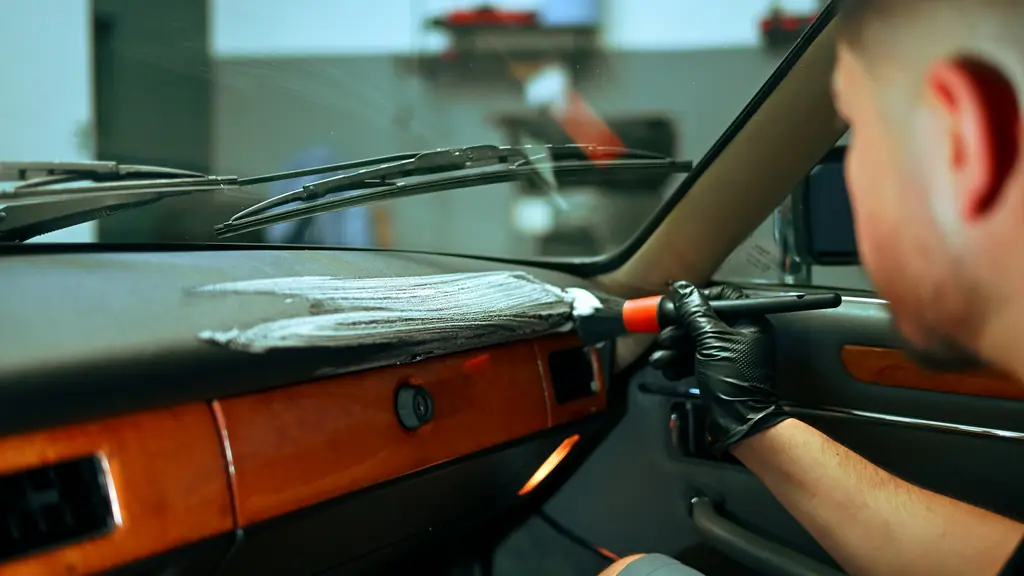
- Interiors. Vacuuming, shampoo and extraction, steam and leather care are all portable. Interior work is weather-proof once the doors are open.
- Fleets and lots. Fleet-focused businesses bring the service to a yard, dealership or depot so vehicles stay in service.
What usually needs a shop (or a garage)
- Ceramic coatings. Coatings need a clean, dry, sheltered space and time to cure. One Bayport business states coatings are performed at its garage and only done mobile “if client can provide a clean, climate-controlled” space; another lists its coating add-on as “garage required”.
- Multi-step paint correction. Correcting swirls properly means inspecting paint under controlled light, often for a full day. Several mobile businesses offer one-step polishing on site and reserve heavier correction for shop conditions.
- Paint protection film and tint. These are almost always shop services.
Practical questions for a mobile booking
- Water and power. Does the detailer bring water and power, or do they need your spigot and an outlet? One Suffolk business says it needs “a standard spigot and outlet”; others advertise vans that are self-contained.
- Space. Mobile work typically needs room to open doors fully and walk around the car. One Carle Place–based detailer asks for roughly a car length of clearance around the vehicle.
- Where the water goes. New York’s stormwater rules exempt runoff from individual residential car washing, but commercial wash water is treated differently. Guidance for municipal storm-sewer programs lists vehicle wash water as something to keep out of storm drains, using containment mats, berms or collection for proper disposal (NYSDEC MS4 permit; NYC DEP stormwater control measures). It is reasonable to ask a mobile detailer how they handle runoff, especially near a storm drain or on a shared driveway.
- HOA and building rules. Condos and apartment complexes on Long Island often restrict washing in parking areas. Check before you book.
- Weather. Ask what happens if it rains or freezes. Many mobile businesses reschedule exterior work.
Price: is mobile more expensive?
Not in the prices we recorded. The lowest and highest published full-detail starting prices both came from mobile businesses. Where mobile can cost more is travel: one business publishes distance zones and a small travel adjustment for smaller jobs far from its base. See the price guide for the raw numbers.
A simple way to decide
| If you want… | Usually best |
|---|---|
| A routine wash, interior clean or full detail at home | Mobile |
| A regular schedule with the same person | Mobile maintenance plan |
| Swirl removal, a ceramic coating or PPF | Shop or studio (or mobile with a suitable garage) |
| Work on a fleet or dealer lot | Mobile fleet service |
Browse mobile detailers or all detailers and filter by your ZIP. Then read how to choose a mobile detailer.
Sources
- NYSDEC SPDES General Permit for Stormwater Discharges from Small MS4s (exempt non-stormwater discharges)
- NYC DEP, Stormwater Control Measures — Vehicle/Equipment Cleaning (SCM-PP/GH-2)
- Island Aesthetics — published packages and prices (checked 2026-11-19)
- Elite Mobile Detailing — published packages and prices (checked 2026-11-19)
- Cordero & Co. Detailing — published packages and prices (checked 2026-11-19)
- Pro Performance Detailing — published packages and prices (checked 2026-11-19)
Provider prices are published starting prices read from each business's own website on the date shown. DetailLocator is not affiliated with any business mentioned. Spotted an error? Tell us.