Paint correction is the process of machine-polishing a car’s clear coat to level out fine scratches, swirl marks, water-spot etching and haze. Done well, it is the single biggest visual upgrade you can make to paint. It is also skilled, slow work — which is why published Long Island prices start around $250 and run past $1,000.
What actually happens
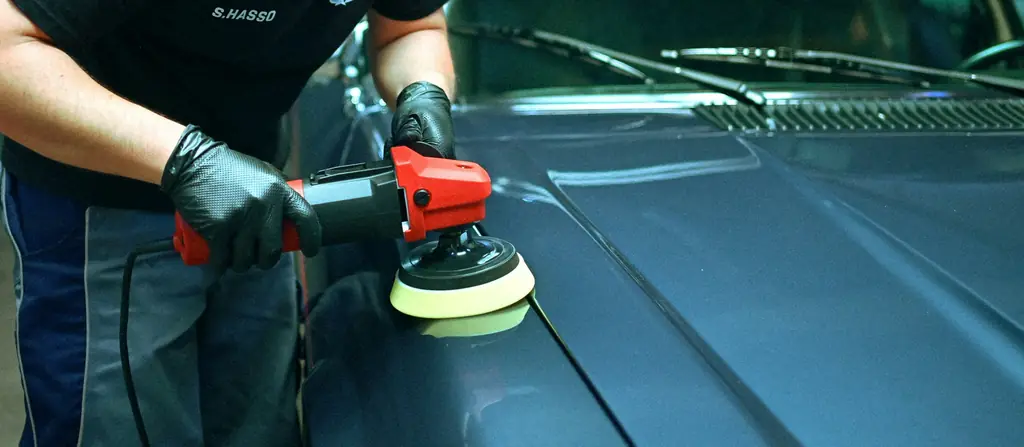
Your car’s color sits under a clear coat that is thinner than a sheet of paper. Swirls and light scratches are tiny valleys in that clear coat. A polisher with an abrasive compound or polish removes a microscopic layer around each defect so the surface becomes flat again and reflects light evenly.
A typical correction job looks like this:
- Inspection. Defects are checked under strong, varied light. Some shops measure paint thickness first.
- Wash and decontamination. Iron remover and a clay bar take off bonded grit that would otherwise be ground into the paint.
- Test spot. The detailer tries a pad-and-product combination on a small area to see how much correction is achievable.
- Compounding (cutting) to remove deeper defects — skipped in a one-step job.
- Polishing (refining) to restore clarity and gloss.
- Protection. A sealant or coating, because freshly polished paint is bare.
One-step, two-step, three-step
- One-step / enhancement / “polish”. A single polishing stage that balances defect removal with gloss. Long Island packages describe this as removing roughly 20–60% of defects depending on the business and the paint.
- Two-step / full correction. A cutting stage followed by a refining stage. One Long Island package describes roughly 40–70% defect removal for its two-step. Labels are not consistent, though: another business advertises 80–90%+ removal from a package it calls a one-step correction. Compare the described outcome, not the step count.
- Three-step / signature / perfection. Heavy cut, refinement and a final gloss polish for show cars, very dark colors or heavily marred paint. Packages describe 70–95%+ removal.
Percentages are claims made by each business about its own work on typical paint. No reputable detailer can promise 100%: some scratches go deeper than the clear coat can safely give up.
What Long Island detailers publish
We recorded 12 published correction or enhancement starting prices from seven businesses (median about $497):
| Level | Published examples (starting, car/sedan) |
|---|---|
| One-step / enhancement | $249 DetailMe Mobile · $249.99 Pristine Mobile Auto Spa · $325 Pro Performance Detailing · $350 Diamond Finish Detailing · $395 MAP Coatings · $495 Island Aesthetics (all-in-one) |
| One-step with full detail | $499 Carl’s Auto Detail (Showroom Detail) · $500 Diamond Finish Detailing |
| One-step “enhancement” package | $695 Island Aesthetics |
| Two-step / multi-step | $795 MAP Coatings · $895 Island Aesthetics · DetailMe Mobile $449–$649 |
| Three-stage | $849–$1,299 DetailMe Mobile · from $1,295 MAP Coatings (Paint Perfection) |
SUVs and trucks cost more; one Bayport business lists its two-step at $895 for a coupe/sedan and $1,295 for a large SUV or truck. See paint correction listings for sources and dates.
How to avoid overpaying
- Ask for a test spot or an honest assessment. A good detailer will tell you when a one-step is enough.
- Know your goal. Selling the car? A one-step enhancement often delivers most of the visible improvement. Keeping it and coating it? Correction first is usually worth it.
- Ask about paint thickness. Repeated aggressive correction removes clear coat. Ask whether the shop measures it, especially on older or repainted cars.
- Light matters. Correction work is best inspected under strong light, which is one reason heavier correction is often done in a shop rather than a driveway.
Keep it corrected
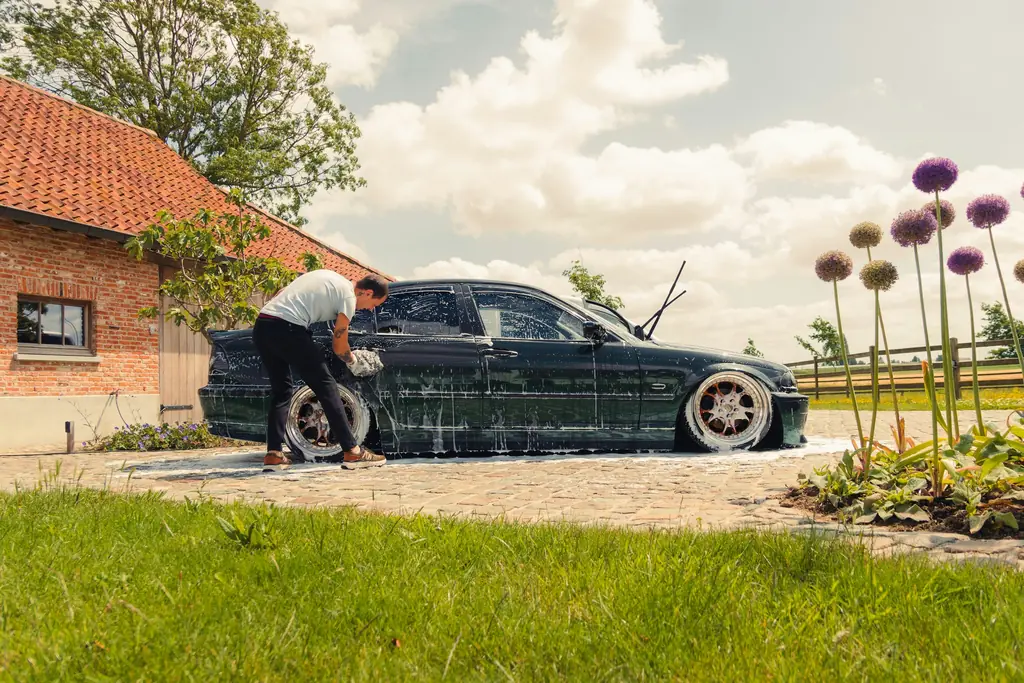
Most swirl marks come from washing: dirty mitts, dry towels and automatic brush washes. After correction, use the two-bucket method or a touchless wash, dry with clean microfiber, and consider a sealant or ceramic coating to make washing gentler.
Sources
- DetailMe Mobile — published packages and prices (checked 2026-11-19)
- MAP Coatings & Films of Long Island — published packages and prices (checked 2026-11-19)
- Island Aesthetics — published packages and prices (checked 2026-11-19)
- Diamond Finish Detailing — published packages and prices (checked 2026-11-19)
- Carl's Auto Detail — published packages and prices (checked 2026-11-19)
- Pro Performance Detailing — published packages and prices (checked 2026-11-19)
- Pristine Mobile Auto Spa — published packages and prices (checked 2026-11-19)
Provider prices are published starting prices read from each business's own website on the date shown. DetailLocator is not affiliated with any business mentioned. Spotted an error? Tell us.